(5).png)
 (7).png)
. Can you give me image which is related to given topic. (1).jpg)
Children’s Day is more than a celebration of childhood—it’s a reminder of our responsibility as parents, caregivers, and doctors to nurture healthier, happier futures for every child. While gifts and fun activities make the day special, the greatest gift we can give children is the foundation of lifelong healthy habits.
As Dr. Ankita Dave emphasizes, “Good habits built early become powerful tools for strong immunity, sharp minds, and emotional well-being.” Here are five essential habits parents can start developing in their children today.
1. Healthy Eating: The Building Blocks of Growth
A child’s brain and body grow rapidly, making nutrition a key factor in overall health. Encourage a diet filled with:
Fresh fruits and vegetables
Whole grains
Protein-rich foods (eggs, pulses, dairy, lean meats)
Adequate water intake
Avoid making junk food the norm. Instead, practice “smart snacking” with nuts, seeds, yogurt, or homemade options. Children learn from what they see—so family meals and healthy eating routines make a big difference.
2. Active Play: Movement for Mind and Body
In the digital age, children are spending more time on screens and less time being active. Daily physical play improves mood, concentration, muscle strength, and overall fitness.
Dr. Ankita recommends at least 60 minutes of active movement per day, such as:
Outdoor games
Cycling
Dancing
Team sports
Simple home exercises
Play isn’t just fun—it’s essential for healthy development.
3. Consistent Sleep Routine
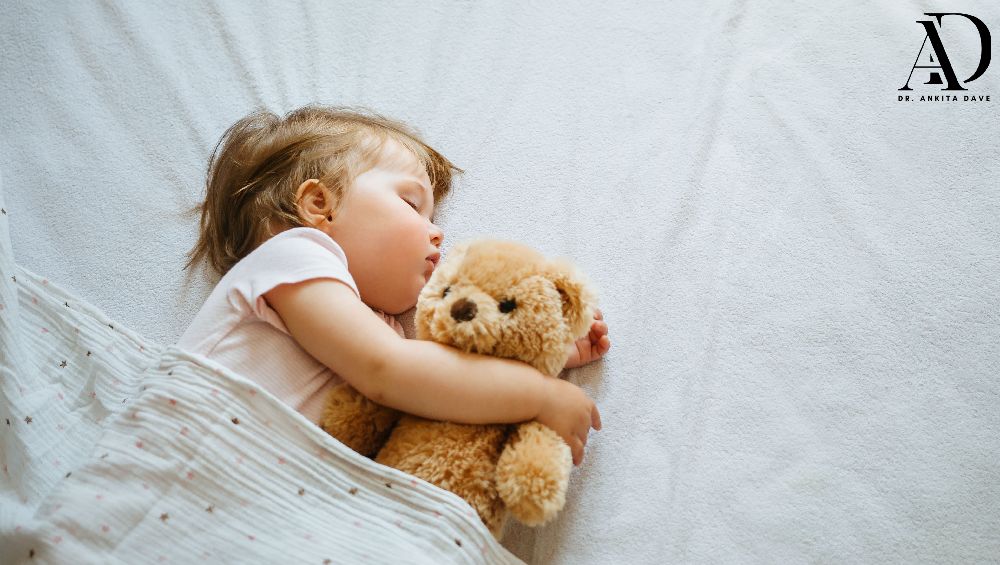
Quality sleep is one of the most underrated pillars of childhood health. Children need structured sleep hours to support growth, learning, and emotional balance.
A good bedtime routine includes:
Fixed sleeping and waking timings
No screens at least 1 hour before bed
A calm, quiet environment
Light reading or storytelling
Healthy sleep improves memory, boosts immunity, and helps children stay energized and focused.
4. Hygiene Habits That Last a Lifetime
Teaching hygiene early prevents illness and builds independence. Simple habits include:
Washing hands before meals and after play
Brushing teeth twice a day
Bathing regularly
Keeping nails trimmed
Sneezing/coughing etiquette
These habits not only protect your child but also teach responsibility and self-care.
5. Emotional Wellness Through Open Communication
A child’s emotional health is just as important as physical health. Create a safe space where children feel comfortable sharing their feelings, questions, and fears.
Encourage habits like:
Talking about their day
Identifying and expressing emotions
Practicing gratitude
Reducing performance pressure
Allowing mistakes without judgement
“Emotionally secure children grow into confident, empathetic adults,” Dr. Ankita reminds.
Final Thought
Children’s Day is the perfect moment to reflect on the habits we nurture in our little ones. These five habits—healthy eating, active play, good sleep, hygiene, and emotional well-being—are simple steps that create powerful, lifelong benefits.
By starting early, parents can help children build the foundations of a bright, strong, and joyful future.



.jpg)


.png)
.png)